|
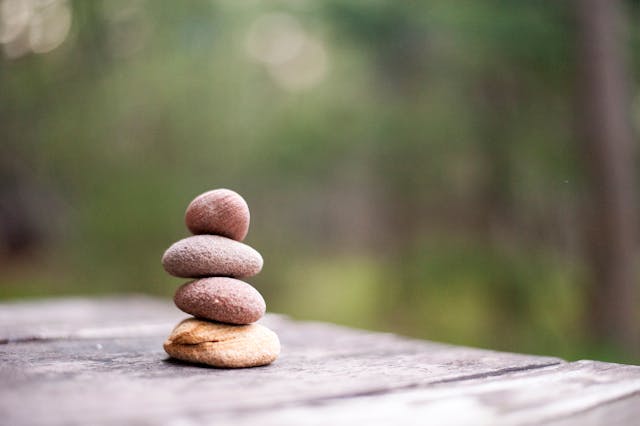
Modern life often feels like a race we never signed up for — deadlines, digital noise, endless comparison, and an ever-growing list of expectations. Somewhere in between rushing and surviving, many of us forget how to simply be. Emotional balance, that quiet center of calm and confidence, becomes harder to find. But here’s the truth: balance isn’t something we stumble upon by luck. It’s something we create, moment by moment, choice by choice.
In a world that glorifies being “busy,” learning the art of emotional balance is both an act of rebellion and self-preservation. It’s about nurturing a state of inner peace even when life feels unpredictable — and discovering how to stay grounded when everything else is spinning.
Understanding Emotional Balance
Emotional balance doesn’t mean never feeling stress, sadness, or anger. It’s not a state of permanent happiness. Rather, it’s the ability to experience emotions fully without letting them control you. It’s knowing how to respond instead of react, how to observe your feelings without becoming them.
This level of awareness requires mindfulness, patience, and a deep understanding of your emotional triggers. It’s an ongoing practice — one that allows you to maintain peace even when chaos knocks at your door.
Recognizing the Triggers
Emotional turbulence often comes from hidden triggers — past experiences, unresolved fears, or the pressure to meet unrealistic standards. The first step to balance is recognizing what sets you off. Ask yourself: what situations make me lose my calm? What fears lie beneath my anger or sadness?
Once you identify your triggers, you can work with them rather than against them. This shift in perspective transforms emotional chaos into a pathway for growth.
Grounding Techniques for Everyday Calm
Grounding is a powerful practice for maintaining emotional stability. It’s about reconnecting with your body and the present moment. Simple actions can have profound effects:
- Deep Breathing: Slow, intentional breathing activates your parasympathetic nervous system, reducing stress instantly.
- Physical Movement: Walk, stretch, or dance — movement releases trapped emotional energy.
- Sensory Awareness: Engage your senses by noticing textures, smells, or sounds around you. It brings you back to now.
Even five minutes of grounding can reset your emotional state and help you respond to challenges with clarity.
Protecting Your Energy
We often underestimate how much our environment influences our mood. Surround yourself with people and spaces that uplift you. Limit exposure to negativity — whether it’s toxic relationships or endless social media scrolling.
Protecting your energy also means setting boundaries. It’s okay to say no, to rest, and to prioritize peace over pleasing others. Remember, boundaries are not walls — they’re filters that keep your spirit safe.
The Role of Emotional Awareness
Emotional awareness is like turning on a light in a dark room. It allows you to name what you’re feeling and understand why. Studies show that simply labeling emotions — “I feel anxious,” “I feel frustrated” — activates the brain’s rational centers, helping you process feelings rather than drown in them.
Awareness creates space between emotion and reaction. In that space, you can choose your response. You move from autopilot to conscious living — and that’s where real power lies.
Reconnecting With Joy
Balance isn’t just about managing stress — it’s also about inviting joy. When life feels heavy, it’s easy to lose touch with the activities and passions that make you feel alive. Reconnecting with joy means rediscovering what makes your soul smile.
It might be music, art, nature, or spending time with loved ones. Even small joys — a morning coffee ritual, a quiet walk, or a creative hobby — help regulate your emotions. Joy is a form of nourishment for the heart.
To deepen this connection, explore uplifting wellness practices that cultivate emotional awareness and help you live more fully aligned with your purpose.
Mindfulness as a Daily Anchor
Mindfulness is the anchor that steadies your emotional ship. When practiced regularly, it builds emotional resilience and reduces anxiety. You can start small — notice your breath, observe your thoughts without judgment, or bring awareness to each task you do.
Even while washing dishes or walking to work, mindfulness transforms ordinary moments into opportunities for peace. It teaches you that calm is not found in escaping life’s chaos, but in being fully present within it.
Emotional Resilience Through Gratitude
Gratitude is one of the most powerful emotional stabilizers. It shifts your focus from lack to abundance, from anxiety to appreciation. Keep a gratitude journal and write down three things you’re thankful for daily — even the small things count.
This simple practice rewires your brain to notice positivity and cultivates emotional resilience over time.
Finding Balance in Relationships
Emotional balance also extends to how we connect with others. Relationships are mirrors — they reflect our insecurities, fears, and strengths. Practicing empathy, communication, and forgiveness allows us to nurture harmony rather than conflict.
When you approach relationships from a grounded place, you can love deeply without losing yourself. True connection thrives when two emotionally balanced people meet in mutual respect and understanding.
When Balance Feels Impossible
There will be days when balance seems out of reach. That’s okay. Emotional well-being isn’t about perfection — it’s about awareness and intention. Allow yourself grace. Rest when you need to. The act of trying is already healing.
Conclusion: The Calm Within
The world may never slow down, but you can. Emotional balance is not about changing life’s pace; it’s about changing how you dance with it. When you learn to center yourself in stillness, chaos loses its grip. Peace stops being a distant dream — it becomes the rhythm of your life.
In that quiet space within, you’ll rediscover what’s always been there — strength, clarity, and the power to choose peace, again and again.
|