|
EliteMate's Blog - Absorb The Richest Information On Life and Relationships
|
Swipe Right on Destiny: The Most Unexpected Love Story Ever |
 |
 |
 |
|
Written by vipul
|

Sometimes, love finds you in the most ridiculous places—like aisle six of a hardware store, or deep in a comment thread about pineapple pizza. But this one? This story takes the cake... or at least the donut.
Meet Jake, a 32-year-old who hadn’t dated since dial-up internet was a thing. One day, after a friend convinced him to try online dating, he downloaded an app, uploaded a photo from 2017, and set his profile bio to, “Just a guy who loves dogs, dad jokes, and donuts.”
Across town was Emily, a fellow donut enthusiast and self-proclaimed “cat mom.” She wasn’t looking for love. She just wanted someone to split delivery minimums with. But when she saw Jake’s profile and his commitment to baked goods, she swiped right faster than you can say “glazed and confused.”
Their first conversation? Arguing over whether jelly-filled donuts were inferior (they are). But the bickering turned into banter, and the banter turned into a meetup at—of course—a donut shop. When they both reached for the same Boston cream, sparks flew... and not just from the deep fryer.
Fast forward six months, and they’re still going strong. They’ve adopted a rescue dog named Sprinkle and continue their Friday night tradition of “Donuts & Documentaries.”
What started as a joke turned into something real. And while everyone’s path to connection is different, one thing’s for sure—love doesn’t always knock. Sometimes, it pings your phone with a winky face emoji.
If you're ready to laugh, connect, or maybe find your own “donut soulmate,” this platform could be your sweet beginning. After all, real love stories often begin with a little humor and a lot of heart.
So go ahead—swipe right on destiny. Who knows? Your next great love story might be just one clever message away. |
|
Can Garcinia Cambogia Help You Reach Your Weight Loss Goals? |
|
|
|
|
Written by vipul
|

Weight loss isn’t easy—and if you’ve tried everything from fad diets to juice cleanses, you know how frustrating it can be when the scale won’t budge. That’s why many are turning to natural ingredients to help support their efforts, and Garcinia Cambogia is one name that keeps popping up.
But what exactly is it? Garcinia Cambogia is a tropical fruit native to Southeast Asia. The peel contains an active compound called hydroxycitric acid (HCA), which research suggests may help block fat storage and suppress appetite. That’s why it’s commonly used in supplements designed to assist with weight loss.
The theory is that HCA helps inhibit a fat-producing enzyme in the body while increasing serotonin levels, which could reduce emotional eating. When paired with a healthy diet and regular movement, many people report better appetite control and faster progress.
Of course, results vary. Garcinia isn’t a magic pill, but it may give you the extra boost you need to stay on track. If you’re interested in trying it out, this Garcinia Cambogia supplement has been catching attention for its quality and positive reviews.
As with any wellness journey, consistency is key. Keep your expectations realistic, stay active, eat clean, and listen to your body. Sometimes a little extra help from nature is all it takes to stay motivated and make lasting changes. |
|
What Your Birth Chart Can Reveal About You (Beyond Your Sun Sign) |
|
|
|
|
Written by vipul
|

Most people know their sun sign—it’s the one based on your birthday that shows up in daily horoscopes. But if you’ve ever read your horoscope and thought, “This doesn’t feel like me,” you’re not crazy. That’s because astrology is way deeper than just your sun sign.
Your full birth chart is like a cosmic fingerprint. It maps out where all the planets were at the exact moment and location you were born. This includes your moon sign (emotions), rising sign (how others see you), and the positions of Mercury, Venus, Mars, and more.
Each of these placements reveals different aspects of your personality, patterns, strengths, and life challenges. For example, someone with a Scorpio moon might be emotionally intense and private, while a person with Gemini rising might come across as talkative and quick-witted—even if their sun sign is serious Capricorn.
Understanding your chart can bring clarity to why you’re drawn to certain people, careers, or experiences. It’s a tool for self-awareness—not a prediction machine. If you’ve been curious about what the stars say about you, this free birth chart tool offers a personalized deep dive that might just blow your mind.
Whether you're a skeptic or a spiritual seeker, there’s something empowering about learning more about yourself through this ancient cosmic lens. It’s a journey inward, guided by the stars above. |
|
The Side Hustle Boom: Why Everyone’s Building Multiple Income Streams |
|
|
|
|
Written by vipul
|
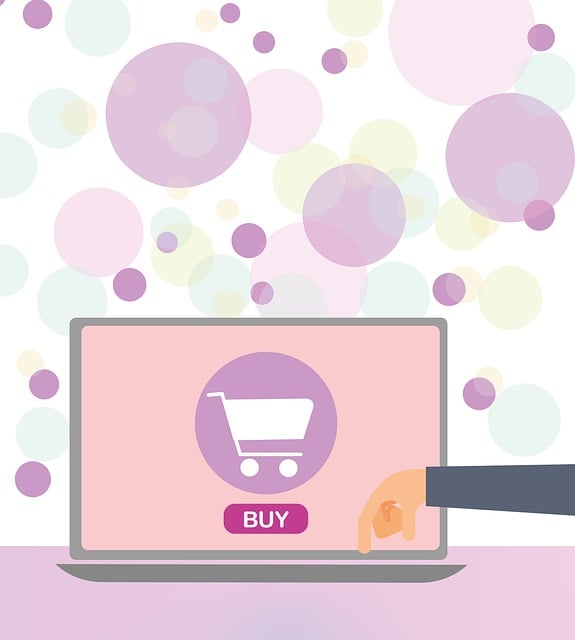
Gone are the days when a single 9-to-5 job guaranteed financial security. In today’s unpredictable economy, side hustles have become more than just a trendy phrase—they’re a lifeline.
Whether it’s freelancing, digital marketing, dropshipping, selling crafts, or content creation, people are discovering that building an additional stream of income is not just smart—it’s necessary. The flexibility of working from home, setting your own schedule, and earning from your skills makes side hustles incredibly appealing.
What’s exciting is that you don’t need to quit your job or invest thousands to get started. There are platforms and tools available that guide you through the process of launching your own business with low overhead and real potential. You just need the willingness to learn and the consistency to stick with it.
If you're new to the world of online entrepreneurship, this beginner-friendly platform is a great way to dip your toes into the digital economy and find out what business style suits you best.
Side hustles not only offer financial relief—they give you a sense of independence. You're no longer relying solely on a paycheck or one employer. And in a time where job markets shift fast, that kind of autonomy is incredibly valuable.
So whether you’re looking to pay off debt, save for a vacation, or eventually replace your day job, a side hustle can be your stepping stone toward financial freedom. It’s not just about money—it’s about creating options for yourself. |
|
Making Dating Fun Again (Yes, It’s Possible) |
|
|
|
|
Written by vipul
|

Dating isn’t supposed to feel like a full-time job — but lately, it kind of does. Between awkward DMs, ghosting, and endless scrolling, it’s easy to forget that meeting new people can actually be fun.
Here’s a little secret: dating starts feeling better when you stop trying to “win” it and start being real. The pressure to be perfect or say the right thing all the time? Toss it. Instead, focus on connecting with people who match your energy and vibe.
There are platforms out there where people are looking for something real — not just a quick like or match. You’ll find singles who are actually interested in starting conversations and making connections, not just collecting attention.
Whether you're dipping your toes into dating again or you’ve been at it for a while, it helps to be in a space where people are on the same page. That makes a huge difference in your experience — less ghosting, more genuine interaction.
So take a deep breath, loosen up, and enjoy the ride. The fun’s not gone — you just have to look in the right places. |
|
Turn Your Passion Into Profit — Even If You’re Starting From Scratch |
|
|
|
|
Written by vipul
|

Got a skill, side hustle, or creative idea that’s just collecting dust? It might be time to turn that passion into something real. These days, you don’t need a fancy degree or a huge investment to start building your own business. What you do need is direction — and a little grit.
Whether you're freelancing, selling digital products, or building an audience, success often starts with clarity. Know your niche, understand your audience, and deliver real value. From there, it’s all about consistency and smart systems.
Don’t get stuck trying to reinvent the wheel. There are tons of tools out there that can guide you through building a site, setting up automation, and marketing without burnout. Some platforms even offer step-by-step business training that’s perfect for beginners.
The best part? You can start small. One product, one service, one client. Grow from there. Entrepreneurship isn’t about overnight success — it’s about sustainable progress and learning as you go.
If you’ve got something the world needs, why wait? Start building your thing. The timing might never be “perfect,” but starting today beats waiting for someday. |
|
|
|
|
<< Start < Prev 1 2 3 4 5 6 7 8 9 10 Next > End >>
|
|
Page 1 of 188 |
|
|
|
|
elite


Syndicate
Section
|

 Blog
Blog