|
EliteMate's Blog - Absorb The Richest Information On Life and Relationships
|
Moon Signs in Love: Understanding Your Emotional Compatibility |
 |
 |
 |
|
Written by vipul
|
Moon Signs in Love: Understanding Your Emotional Compatibility
Astrology has fascinated people for centuries, helping us make sense of our personalities, relationships, and even life choices. Most people know their Sun sign—it’s the one tied to your birthday and the one you’ll find in magazines or daily horoscopes. But here’s the thing: your Sun sign only scratches the surface. If you truly want to understand your emotional world and how you connect in relationships, you need to explore your Moon sign.
The Moon sign is considered one of the most important placements in your birth chart because it reflects your inner world. It rules your instincts, your feelings, and what you need to feel safe and secure. While your Sun is like the “public face” you show to the world, your Moon represents the private self—the version of you that comes out when the lights are low and you’re with people you trust the most.
Why the Moon Sign Matters in Love
In relationships, emotional compatibility often determines whether things flourish or fall apart. Your Moon sign shows how you give and receive love on a deeper level. For instance, a person with a Moon in Cancer tends to crave closeness, nurturing, and strong emotional bonds. They may feel happiest when they know their partner is truly there for them. Meanwhile, a Moon in Sagittarius individual values freedom and adventure. They thrive when a relationship allows them space to explore new ideas and experiences.
This is why two people with the same Sun sign can have very different approaches to love. Imagine two Geminis. One has a Pisces Moon, making them empathetic, dreamy, and sensitive in relationships. The other has a Capricorn Moon, grounding their love life with loyalty, practicality, and a focus on building a stable future. Both are Geminis, yet their needs in love couldn’t be more different.
Moon Sign Compatibility
When people think of zodiac compatibility, they often compare Sun signs. While this can give a general idea, it doesn’t tell the whole story. In truth, Moon-to-Moon compatibility can be even more significant because it determines whether you and your partner understand each other on an emotional level. For example, a Taurus Moon pairs beautifully with a Virgo or Capricorn Moon because all three signs value stability and consistency. But that same Taurus Moon might struggle with an Aquarius Moon, which prefers independence and unpredictability.
Of course, differences don’t always mean doom. Sometimes, contrasting Moon signs can complement each other, teaching both partners new ways of expressing emotions. The key is awareness. When you understand your own Moon sign and your partner’s, you gain insight into your emotional “love language.”
Learning About Yourself Through Your Moon
Beyond compatibility, exploring your Moon sign helps you understand your own inner needs. Do you often feel misunderstood in relationships? Do you keep repeating patterns that don’t serve you? Your Moon sign may hold the answer. By exploring its qualities, you’ll learn how to nurture yourself and create relationships that meet your true emotional needs.
For instance, someone with a Leo Moon might need to feel appreciated and celebrated in their partnerships. A partner who ignores their need for recognition may leave them feeling neglected. On the other hand, a person with a Scorpio Moon needs intensity and depth—superficial connections won’t cut it for them. Knowing this about yourself allows you to seek partners and friendships that align with who you really are.
Dive Deeper Into Your Moon Sign
Astrology isn’t just about predicting the future—it’s about self-discovery. By understanding your Moon placement, you gain a powerful tool to navigate relationships, personal growth, and emotional healing. If you’re ready to unlock the hidden truths about your emotional world, explore detailed moon sign insights that can guide you toward deeper self-awareness and better relationships.
At the end of the day, love isn’t only about surface attraction. It’s about emotional resonance—the feeling of truly being understood and cared for. And your Moon sign is the secret key that reveals exactly how to find it. |
|
The Journey Within: Building a Deeper Spiritual Practice |
|
|
|
|
Written by vipul
|
|

We spend much of our lives chasing success, comfort, and approval—but what happens when those things no longer satisfy us? That’s when the spiritual journey begins. Spiritual development isn’t about dogma or religious labels—it’s about awakening to your true self and living with purpose, love, and inner peace.
The first step is awareness. When you start asking deeper questions—“Why am I here?”, “What’s my purpose?”, “Is there more to life than this?”—you’re already on the path. From there, growth unfolds through practices like meditation, mindfulness, prayer, journaling, and service to others.
True spiritual development requires honesty. It asks you to look within, confront your shadows, and release limiting beliefs. It can be uncomfortable—but it’s also freeing. You begin to realize that your worth isn’t tied to achievements or validation, but to your being itself.
You don’t need a guru or monastery to grow spiritually. The journey is deeply personal. However, it helps to surround yourself with teachings, resources, and communities that support your awakening. Whether through books, online courses, or spiritual mentors, guidance makes the path smoother.
One sign of spiritual maturity is how you handle challenges. Instead of reacting with fear or anger, you respond with awareness and compassion. You begin to trust that everything—even pain—has purpose.
Spiritual development isn’t a destination. It’s a lifelong unfolding. And with each step, you become more aligned, more peaceful, and more you. |
|
What They Didn’t Teach in School: Mystical History Revealed |
|
|
|
|
Written by vipul
|
|
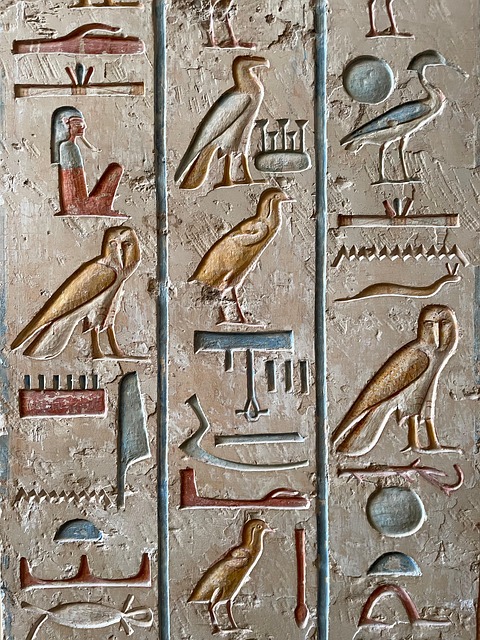
History books give us facts and timelines, but what about the mysteries they leave out? Beneath the surface of mainstream education lies an ocean of hidden truths—esoteric traditions, secret societies, and ancient wisdom passed down through whispers and symbols.
Take the Great Pyramid of Giza, for example. Beyond being an architectural marvel, it’s been the subject of esoteric theories for centuries. Some believe it holds clues to sacred geometry, earth energies, and even consciousness itself. Whether you see these theories as myth or metaphor, one thing is clear: the ancients understood things we’re only beginning to rediscover.
Then there’s the symbolism of the Eye of Horus, the Tree of Life, and the Ouroboros—symbols found in cultures separated by thousands of miles and years. Were these just coincidences, or did ancient civilizations share a deeper, hidden language of wisdom?
Esoteric history dives into the teachings of the mystery schools of Egypt and Greece, the Hermetic principles, and even the encrypted messages believed to be hidden in Renaissance art and architecture. These teachings often focused on inner transformation, the soul’s journey, and the connection between the cosmos and the self.
Modern seekers are drawn to these forgotten paths because they offer something academia often doesn’t: a bridge between science and spirit, intellect and intuition. If you’ve ever felt like something deeper lies beneath our collective history, you’re not alone.
Thankfully, you can now explore ancient knowledge through platforms dedicated to awakening and insight. These resources guide you through the labyrinth of forgotten truths and help you connect the dots across time and space.
The world is waking up to the idea that there’s more to history than battles and dates. There are clues to who we truly are—hidden in plain sight. |
|
Written by admin
|
|

Trapiche Broquel Malbec 2011: The hypothesis that a form of liquid comfort can be the source of hours of merriment has transpired to a self-proposed theory. Introducing a wine that lingers of aromas of....ERRRRRR..fuck that, this wine is AMAZEBALLS!!!! That's all. Straight, no-chaser..you know the rules. - R.Lambert
Buy some wine for you to enjoy by clicking HERE. |
|
Serving Up Love on the Court |
|
|
|
|
Written by vipul
|

Where Passion Meets Connection
Tennis isn’t just a sport—it’s a lifestyle. For enthusiasts, the thrill of the game extends beyond the court, creating opportunities to bond over shared passion. Imagine connecting with someone who understands the excitement of a perfect serve or the dedication behind endless practice sessions. That’s the beauty of combining sport with social connection.
Building Friendships Through Tennis
Whether you’re a seasoned player or a casual fan, tennis provides a natural way to meet new people. From local tournaments to community clubs, the sport fosters camaraderie and teamwork. Online platforms now make it easier to extend these connections into friendships and even romance.
Shared Interests, Stronger Bonds
Relationships thrive when built on shared interests. Tennis lovers often find that their passion for the game translates into deeper compatibility. From discussing favorite players to planning matches together, these shared experiences strengthen bonds and create lasting memories.
Take Your Match Beyond the Court
If you’re ready to connect with like-minded individuals, explore platforms designed for tennis enthusiasts. It’s more than dating—it’s about building a community where friendships and romance flourish.
Discover meaningful connections with tennis dating and social networking today. |
|
Digital Burnout: Understanding Information Overload and How to Restore Mental Clarity |
|
|
|
|
Written by vipul
|
|

Digital burnout is an increasingly common condition in a world where people are constantly connected to screens, notifications, and digital demands. It refers to a state of mental and emotional exhaustion caused by prolonged exposure to digital devices and information overload.
Unlike physical fatigue, digital burnout affects focus, mood, and cognitive performance. It builds gradually, often without people realizing how overwhelmed they have become until their productivity and well-being begin to decline.
What Causes Digital Burnout?
Digital burnout is primarily caused by constant stimulation. Smartphones, emails, social media, and online work environments create an uninterrupted flow of information that the brain must continuously process.
Over time, this lack of mental rest can lead to reduced concentration, irritability, and emotional fatigue. The brain is not designed for nonstop input, and without intentional breaks, overload becomes inevitable.
Common Signs of Digital Burnout
Some of the most common symptoms include difficulty focusing, feeling mentally drained even after rest, reduced motivation, and a sense of being overwhelmed by small tasks.
Many individuals also experience disrupted sleep patterns and increased stress levels due to excessive screen exposure, especially before bedtime.
Restoring Mental Clarity
Recovery from digital burnout requires intentional disconnection. This does not mean eliminating technology, but rather creating healthier boundaries around its use.
Simple practices such as scheduled offline time, reducing unnecessary notifications, and taking regular screen breaks can significantly improve mental clarity.
The Importance of Rest and Recovery
True recovery happens when the mind is allowed to fully disengage from constant stimulation. Activities such as walking, reading, meditation, or quiet reflection help restore cognitive balance.
Sleep also plays a critical role in recovery, as it allows the brain to process information and reset for the next day.
Building Healthier Digital Habits
Long-term prevention of digital burnout requires conscious habit formation. This includes setting boundaries for device usage, creating tech-free zones, and prioritizing offline experiences.
When used intentionally, technology can be a powerful tool rather than a source of exhaustion.
Final Thoughts
Digital burnout is not a sign of weakness—it is a natural response to overstimulation. By recognizing the signs early and making intentional changes, individuals can restore focus, improve well-being, and develop a healthier relationship with technology.
For more insights on improving rest, recovery, and sleep quality, explore sleep and wellness resources. |
|
|
|
|
<< Start < Prev 1 2 3 4 5 6 7 8 9 10 Next > End >>
|
|
Page 10 of 204 |
|
|
|
|
elite


Section
|

 Blog